

Table of Contents
ToggleWhy Your Septic Tank Smells in Florida (And How to Fix It)
A septic smell around your home is never pleasant — and for Florida homeowners, it’s a surprisingly common problem. If you’ve noticed a rotten egg smell, sewage odor in your yard, or foul smells inside your home, your septic system is trying to tell you something.
This guide explains why septic tanks smell in Florida, what those odors mean, and what homeowners can do to fix and prevent them.
What Does a Septic Tank Smell Like?
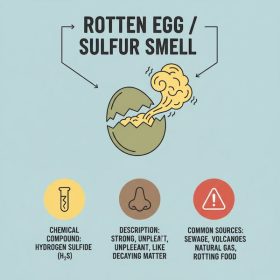
Most septic odors come from hydrogen sulfide gas, which smells like rotten eggs. This gas forms when waste isn’t breaking down properly inside the septic tank.
Common descriptions homeowners report include:
Rotten egg smell
Sewage odor
Sulfur smell
Musty or swampy odor
While occasional mild odors can happen, persistent smells are a warning sign.
Why Septic Tank Smells Are Common in Florida
Florida’s environment creates ideal conditions for septic odor problems.
Warm Temperatures
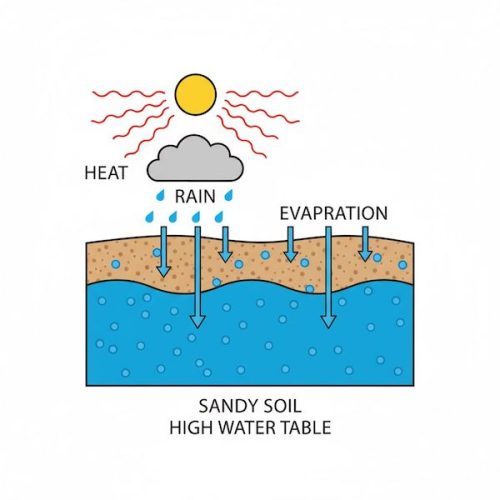
Heat speeds up gas production. When bacterial balance is off, odors become stronger and more noticeable.
Sandy Soil
Sandy soil allows wastewater and gases to move more easily. Odors can escape before being filtered naturally by the soil.
High Water Table
When groundwater is high, septic tanks and drain fields have less room to function properly. This can trap gases and force them upward.
Heavy Rain
After storms, saturated soil can push septic gases toward the surface or back toward the home.
These factors make septic odors more frequent in Florida than in many other states.
Common Causes of Septic Tank Odors
Understanding the cause helps determine the solution.
1. Bacterial Imbalance
Septic systems rely on bacteria to break down waste. Harsh cleaners, antibacterial soaps, and chemicals can kill these bacteria, allowing odors to build up.
2. Sludge Buildup
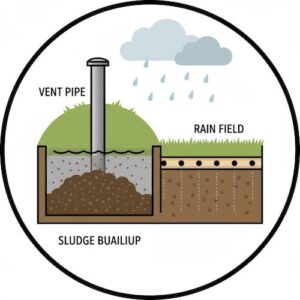
When solids accumulate faster than they break down, gases get trapped and released as odors.
3. Dry Plumbing Traps
Floor drains or rarely used sinks can dry out, allowing septic gases to enter the home.
4. Blocked or Damaged Vent Pipes
Vent pipes release gases safely through the roof. If blocked, odors may escape elsewhere.
5. Drain Field Saturation
When drain fields are overloaded or flooded, wastewater and gases can surface.
Is a Smelly Septic Tank Dangerous?
Occasional odors are usually not dangerous, but persistent or worsening smells should not be ignored.
Potential risks include:
Wastewater contamination
Drain field failure
Plumbing backups
Exposure to harmful gases in enclosed spaces
If odors are strong or sudden, professional inspection is recommended.
How to Fix Septic Tank Smells (Step-by-Step)
Step 1: Check Simple Plumbing Issues
Run water in unused sinks or drains
Check for cracked or loose toilet seals
Ensure vent pipes are not blocked
Step 2: Reduce Harmful Inputs
Avoid:
Bleach and chemical drain cleaners
Antibacterial soaps in excess
Grease, oil, or food waste down drains
These can disrupt bacterial activity.
Step 3: Schedule a Septic Inspection
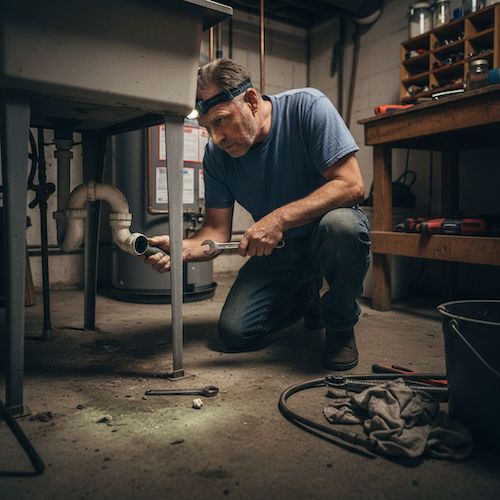
If odors persist, a professional inspection can identify sludge levels, drain field issues, or system damage.
Step 4: Support Bacterial Health
Between pumpings, septic systems benefit from ongoing bacterial support to help waste break down efficiently and reduce gas production.
Some homeowners opt for monthly septic tank treatments like Septifix that support natural bacteria and neutralize odor-causing compounds.