
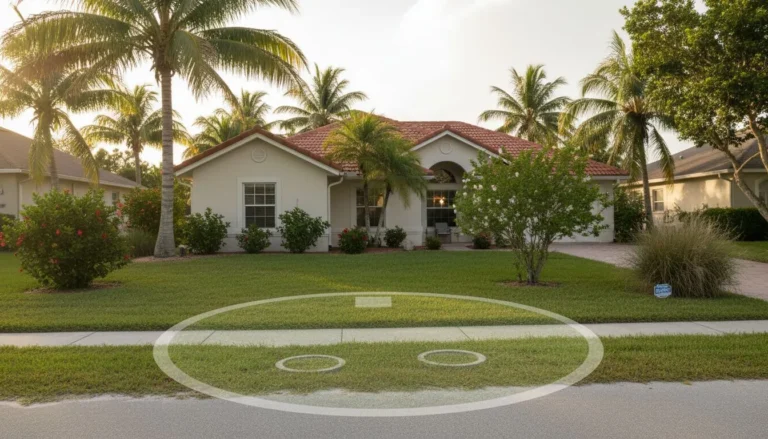

Florida home with underground septic tank and drain field system

This beginner-friendly guide explains how septic systems work in Florida, why maintenance matters, common problems to watch for, and how homeowners can protect their systems long term.

If your Florida home uses a septic system, proper maintenance is one of the most important responsibilities you have as a homeowner. Unlike city sewer systems, septic tanks rely on natural processes to treat wastewater, and Florida’s unique environment can make that process more challenging.

How Septic Systems Work (Simple Explanation)

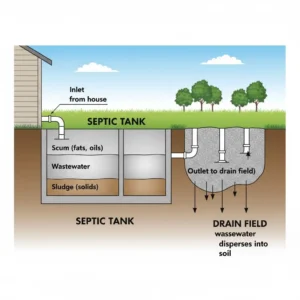
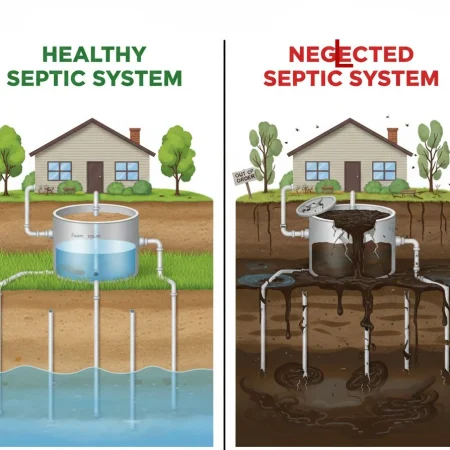
Diagram showing how a residential septic system works in a Florida home

A residential septic system has three main parts:

  1. Drain pipes that carry wastewater from your home

  2. The septic tank, where waste separates and breaks down

  3. The drain field, where treated water is released into the soil

Inside the septic tank:

  • Solids sink to the bottom (sludge)

  • Oils and grease float to the top (scum)

  • Liquid waste exits into the drain field

Bacteria inside the tank play a critical role by breaking down organic waste. When those bacteria aren’t working properly, sludge builds up faster and problems begin.

Why Septic Tank Maintenance Is Especially Important in Florida

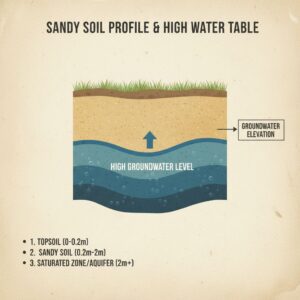
Florida septic tank affected by sandy soil and high water table

Florida’s environment creates conditions that can stress septic systems more than in many other states.

Sandy Soil

Florida soil drains quickly. While this can help prevent standing water, it also means wastewater moves faster through the drain field. If solids aren’t broken down efficiently in the tank, they can clog the drain field.

High Water Tables

In many parts of Florida, groundwater sits close to the surface. During heavy rain or flooding, septic systems can become overwhelmed, increasing the risk of backups or untreated wastewater surfacing.

Warm Temperatures

Heat affects bacterial balance inside septic tanks. While warmth can speed up some biological processes, it can also increase odors and disrupt healthy decomposition if conditions aren’t right.

Because of these factors, preventative septic maintenance is especially important for Florida homeowners.

Common Septic Problems in Florida Homes

Knowing early warning signs can help you avoid expensive repairs.

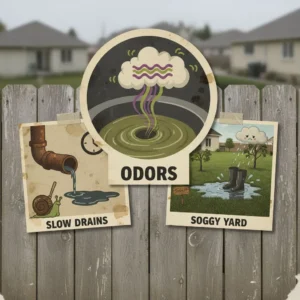
Slow Drains

Sinks, showers, and toilets draining slowly can indicate sludge buildup or bacterial imbalance.

Septic Odors

Rotten egg or sewage smells often mean gases aren’t being neutralized properly inside the tank.

Soggy or Smelly Yards

Wet patches or foul odors near the drain field can signal system overload.

Frequent Pumping

If your tank needs pumping more often than expected, waste may not be breaking down efficiently.

These issues often develop gradually, which is why routine maintenance matters.

How Often Should Septic Tanks Be Pumped in Florida?

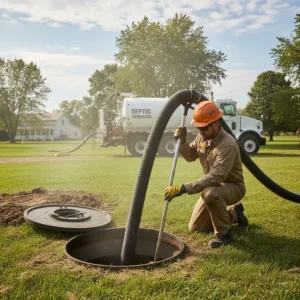
Septic tank pumping service for a residential Florida home

Most residential septic tanks should be pumped every 2 to 5 years, depending on:

  • Household size

  • Water usage

  • Tank capacity

  • Waste breakdown efficiency

Florida homeowners with larger households or high water usage may need more frequent pumping. Pumping removes accumulated sludge, but it does not improve bacterial performance — that’s where ongoing maintenance comes in.

Everyday Habits That Protect Your Septic System

Florida homeowner practicing proper septic tank maintenance

Small daily choices can make a big difference.

Watch What You Flush

Avoid flushing:

  • Wipes (even “flushable” ones)

  • Grease or oil

  • Coffee grounds

  • Feminine hygiene products

  • Harsh cleaners or chemicals

Use Water Wisely

Excess water overloads septic systems. Spread out laundry loads and fix leaking fixtures promptly.

Protect the Drain Field

Never park vehicles or place heavy objects over your drain field. Keep trees and shrubs away to avoid root damage.

Preventative-Septic-Tank-Maintenance

The Role of Preventative Septic Maintenance

Professional pumping and inspections are essential, but they don’t address everything. Septic systems also rely on ongoing biological activity to function properly.

Preventative maintenance focuses on:

  • Supporting healthy bacteria

  • Reducing sludge buildup

  • Minimizing odors

  • Keeping systems balanced between pumpings

Some homeowners choose to use monthly septic tank treatments as part of this approach. These treatments are designed to support bacterial activity and waste breakdown when used correctly.

👉 You can learn more about how treatments fit into a full maintenance plan in this detailed Septifix Review.

Monthly septic tank treatment like Septifix
 

Are Septic Tank Treatments Safe for Florida Homes?

Not all treatments are created equal. Harsh chemical cleaners can damage septic systems and contaminate groundwater — a serious concern in Florida.

Homeowners should look for treatments that:

  • Use bacteria and enzymes, not caustic chemicals

  • Support natural waste breakdown

  • Are safe for soil and groundwater

When used as directed, biological treatments are generally considered safer than chemical alternatives.

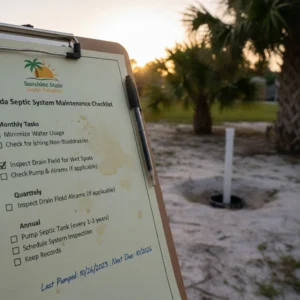
Septic Maintenance Checklist for Florida Homeowners

Use this checklist to stay on track:

✔ Schedule septic inspections regularly
✔ Pump every 2–5 years as recommended
✔ Monitor drains and odors
✔ Avoid harmful flushables
✔ Conserve water
✔ Support bacterial health between pumpings

This combination of professional service and homeowner care provides the best long-term protection.

Key Takeaways

  • Florida septic systems face unique challenges due to soil and climate

  • Proper maintenance helps prevent backups, odors, and drain field failure

  • Pumping removes sludge but doesn’t improve bacterial performance

  • Preventative care supports septic efficiency between pumpings

  • Simple habits and routine care can save thousands in repairs

❓ Frequently Asked Questions About Septic Tank Maintenance in Florida

Below are answers to common questions about septic tank maintenance in Florida. Learn how proper care ensures smooth operation, prolongs lifespan, and protects the health of your home’s environment.

A: Most septic tanks in Florida should be pumped every 2 to 5 years, depending on household size, water usage, and tank capacity.

A: Yes. Florida’s sandy soil, high water table, and warm climate require more careful septic maintenance to prevent odors and drain field failure.

A: Poor septic maintenance can lead to sludge buildup, slow drains, odors, backups, and costly drain field damage.

A: Septic tank treatments can help support bacterial activity and waste breakdown when used as part of regular maintenance, but they do not replace pumping or inspection.

A: Items such as wipes, grease, chemicals, feminine products, coffee grounds, and harsh cleaners should never be flushed into a septic system.

A: Homeowners can extend septic system life by pumping regularly, conserving water, avoiding harmful flushables, and maintaining healthy bacterial balance.

Final Thoughts

Septic tank maintenance doesn’t have to be complicated, but it does need to be consistent — especially in Florida. Understanding how your system works and taking preventative steps can help extend its lifespan, reduce unpleasant problems, and protect your property.

For homeowners looking to go deeper into specific maintenance tools and options, reviewing individual septic treatments can help you decide what fits best into your overall care plan.

Index