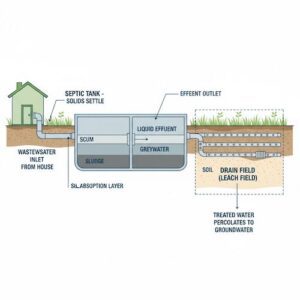
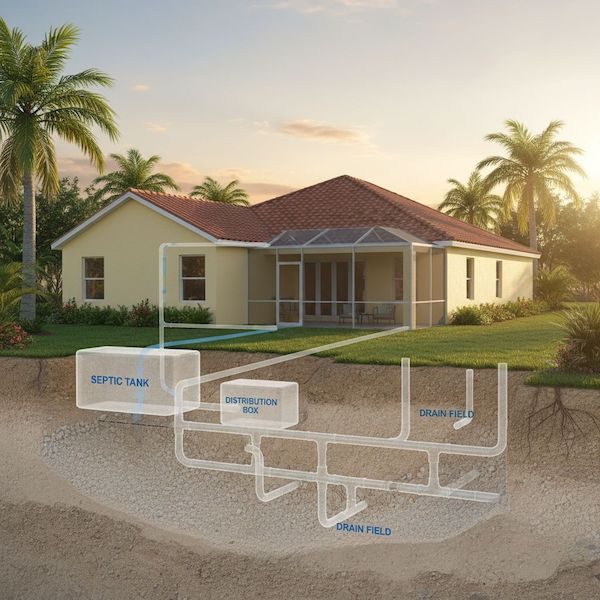
Diagram showing how a septic system works in a Florida home

A septic system in Florida works by separating solid waste in a buried tank and allowing liquid wastewater to flow into a drain field, where it filters through sandy soil. Regular maintenance and proper water use help keep the system functioning efficiently, especially in Florida’s high-water-table conditions.

Main Components of a Florida Septic System

If your Florida home uses a septic system, understanding how it works can help you avoid costly problems, unpleasant odors, and unexpected repairs. While septic systems may seem complicated, they actually follow a simple process — and knowing the basics makes maintenance much easier.

This beginner-friendly guide explains how septic systems work in Florida, what makes them different from other states, and how homeowners can keep them functioning properly.

What Is a Septic System?

A septic system is an on-site wastewater treatment system used by homes that are not connected to a city sewer line.

Instead of sending wastewater to a municipal treatment plant, septic systems:

  • Treat wastewater underground

  • Rely on natural processes

  • Discharge treated water safely into the soil

In Florida, millions of homes depend on septic systems every day.

The 3 Main Parts of a Septic System
Diagram showing septic tank, drain pipes, and drain field

Every residential septic system has three core components.

1. Drain Pipes

These pipes carry wastewater from toilets, sinks, showers, washing machines, and dishwashers into the septic tank.

Everything that goes down your drain enters the septic system.

2. The Septic Tank
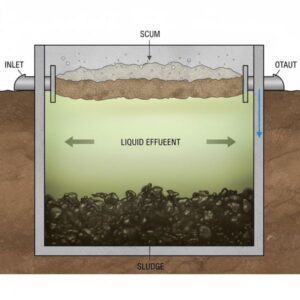
Cross section showing sludge, liquid, and scum layers inside a septic tank


The septic tank is a large, buried container made of concrete, fiberglass, or plastic.

Inside the tank:

  • Heavy solids sink to the bottom (sludge)

  • Oils and grease float to the top (scum)

  • Liquid wastewater stays in the middle

Beneficial bacteria inside the tank begin breaking down organic waste.

3. The Drain Field (Leach Field)

After partial treatment in the tank, liquid wastewater flows into the drain field.

The drain field:

  • Distributes water through perforated pipes

  • Allows soil to filter and treat wastewater

  • Releases clean water back into the environment

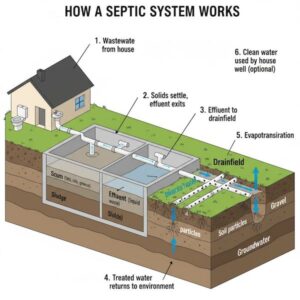
How the Septic Process Works (Step-by-Step)

Here’s the full process in simple terms:

  1. Wastewater leaves your home through drain pipes

  2. Waste enters the septic tank

  3. Solids settle, grease floats

  4. Bacteria break down organic material

  5. Liquid flows into the drain field

  6. Soil filters and cleans the water

When everything works correctly, the system operates quietly and efficiently.

Why Septic Systems Work Differently in Florida

Florida’s environment affects septic systems more than many homeowners realize.

Sandy Soil

Florida’s sandy soil drains quickly. While this helps prevent standing water, it also means wastewater moves faster — increasing the risk of solids reaching the drain field if the tank isn’t functioning properly.

High Water Table

In many areas, groundwater sits close to the surface. This reduces the space available for wastewater treatment and increases the risk of backups or odors after heavy rain.

Heavy Rainfall

Storms can saturate soil, limiting drainage and stressing drain fields.

Warm Climate

Heat accelerates bacterial activity but can also increase gas production when systems are unbalanced.

Because of these factors, Florida septic systems require consistent maintenance.

What Happens When a Septic System Fails?
Signs of septic system problems including odors and slow drains

When septic systems don’t function properly, problems develop gradually.

Common signs of septic trouble include:

  • Slow drains

  • Gurgling sounds

  • Foul odors

  • Soggy or smelly yards

  • Plumbing backups

Most failures are caused by lack of maintenance, not sudden damage.

Why Septic Systems Need Regular Maintenance
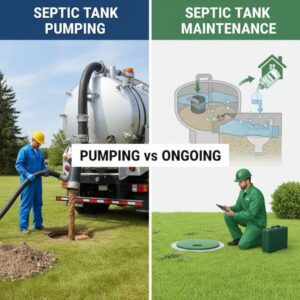
Comparison between septic tank pumping and regular maintenance

Septic tanks are not self-cleaning. Over time:

  • Sludge accumulates

  • Bacterial balance shifts

  • Waste breakdown slows

Without maintenance, solids can escape into the drain field, causing permanent damage. That is why septic tank maintenance in Florida is important.

Pumping vs. Maintenance

  • Pumping removes accumulated sludge

  • Maintenance supports healthy bacterial activity between pumpings

Both are important for long-term performance.

👉 This is why many homeowners combine professional pumping with ongoing septic care. You can read more about this approach in this detailed Septifix review.

How Often Should Septic Tanks Be Pumped in Florida?

Most Florida septic tanks should be pumped every 2 to 5 years, depending on:

  • Household size

  • Water usage

  • Tank size

High water usage or larger households may require more frequent pumping.


Everyday Habits That Help Septic Systems Work Properly

Use Water Wisely

Homeowner practicing proper septic system care habits

Excess water overloads septic systems and reduces treatment time.

Watch What Goes Down the Drain

Avoid flushing:

  • Wipes

  • Grease or oil

  • Coffee grounds

  • Feminine products

  • Harsh chemicals

Protect the Drain Field

  • Don’t park vehicles over it

  • Keep trees and roots away

  • Avoid excessive irrigation

Septic Systems and Odors: What to Know

Septic systems naturally produce gases, but strong odors indicate imbalance.

Common causes include:

  • Bacterial disruption

  • Sludge buildup

  • Saturated drain fields

👉 If odors are a concern, this guide explains the issue in detail: why septic tanks smell in Florida.

Can Septic Systems Last a Long Time?

Yes — with proper care.

A well-maintained septic system can last 20–40 years or more. Systems that fail early almost always suffer from neglect or misuse.

Key Takeaways

  • Septic systems treat wastewater onsite using natural processes

  • Florida’s soil and climate require extra care

  • Septic tanks separate solids, liquids, and grease

  • Drain fields rely on healthy soil conditions

  • Regular pumping and preventative care protect the system


How Septic Systems Work in Florida ❓ Frequently Asked Questions About Septic Systems

A: A septic system in Florida treats wastewater by separating solids in a septic tank and filtering liquid wastewater through a drain field, where soil naturally cleans it before it returns to the environment.

A: The main parts are drain pipes, the septic tank, and the drain field. Each part plays a role in treating and dispersing wastewater safely.

A: Florida’s sandy soil drains quickly, which can allow wastewater to move too fast if solids are not properly broken down in the septic tank.

A: With proper maintenance, septic systems in Florida can last 20 to 40 years or longer. Systems that fail early are usually not maintained properly.

A: Yes. Septic systems rely on beneficial bacteria to break down organic waste inside the tank. Without healthy bacteria, sludge builds up faster.

A: The most common causes include lack of pumping, excessive water use, flushing harmful items, and drain field damage.

Final Thoughts

Understanding how septic systems work empowers Florida homeowners to make smarter maintenance decisions. Septic problems are rarely sudden — they develop slowly over time.

By learning the basics, watching for warning signs, and supporting your system properly, you can avoid many of the most common and costly septic issues.

Index