
How Do You Maintain a Septic System?

To maintain a septic system, have it professionally inspected and pumped when necessary, conserve household water, avoid flushing harmful or non-degradable materials, protect the drainfield, and watch for warning signs such as slow drains, sewage odors, standing water, or backups.

Your septic system works mostly out of sight, which makes it easy to forget about until something goes wrong. Fortunately, good septic tank upkeep is mostly about following a few consistent habits and keeping up with professional maintenance.

This guide explains how to maintain a septic system, what to do between pumpings, and how septic treatment products such as Septifix can fit into an overall septic maintenance routine.

What Does Septic System Upkeep Include?

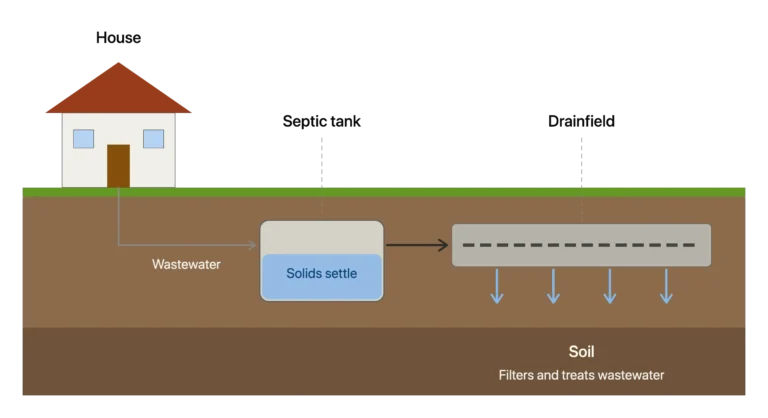
Residential septic system showing the septic tank and drainfield

Septic system upkeep involves more than pumping the tank.

A good maintenance routine includes:

  • Professional septic inspections
  • Pumping the tank when necessary
  • Conserving household water
  • Proper disposal of household waste
  • Protecting the drainfield
  • Repairing plumbing leaks
  • Watching for warning signs
  • Keeping records of inspections and pumping


The U.S. Environmental Protection Agency recommends regular inspection and pumping, efficient water use, proper waste disposal, and drainfield maintenance as important parts of septic system care.

The goal is simple: don’t wait until you have a sewage backup or septic failure to start maintaining the system.

10 Ways to Maintain a Septic System

1. Have Your Septic System Inspected
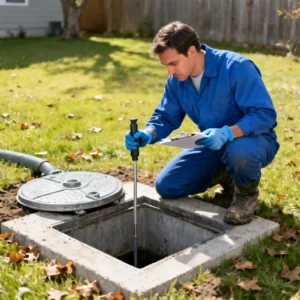
Septic technician inspecting a residential septic tankRegular professional inspections can help identify problems before they become expensive repairs.

The EPA generally recommends having a septic system inspected every 1 to 3 years, although the appropriate schedule depends on the type of system and other factors.

An inspection may evaluate:

  • The septic tank
  • Sludge and scum levels
  • Filters
  • Pumps
  • Mechanical components
  • Signs of leaks
  • Evidence of backups or other problems

If your home has an advanced or alternative septic system, it may require additional maintenance.


2. Pump Your Septic Tank When Needed

Pumping removes accumulated solids from the septic tank.

A conventional household septic tank is often pumped every 3 to 5 years, but this is only a general guideline. Your actual pumping schedule can vary based on:

  • Tank size
  • Household size
  • Wastewater volume
  • Water-use habits
  • Amount of solids accumulating
  • Garbage disposal use
  • Type of septic system

Keep your pumping records and follow the recommendations of a qualified septic professional.

3. Conserve Household Water

Your septic system has to process all the wastewater produced by your household.

Sending excessive amounts of water into the system in a short period can put additional hydraulic stress on the septic tank and drainfield.

Simple ways to reduce unnecessary water use include:

  • Repairing leaking faucets
  • Fixing running toilets
  • Installing water-efficient fixtures
  • Spreading laundry throughout the week
  • Avoiding several high-water activities at the same time

Water conservation is one of the easiest ways homeowners can contribute to septic system upkeep.

4. Be Careful What You Flush

Your toilet is not a garbage disposal.

In general, toilets should only be used for human waste and toilet paper.

Avoid flushing:

  • Wipes
  • Paper towels
  • Dental floss
  • Cotton swabs
  • Feminine hygiene products
  • Diapers
  • Cat litter
  • Cigarette butts
  • Other trash or non-degradable materials

Even products labeled “flushable” can cause plumbing and septic problems.

When you’re unsure whether something belongs in the toilet, put it in the trash instead.

5. Keep Grease and Harmful Chemicals Out

Avoid pouring grease and cooking oils down household drains.

Grease can accumulate in plumbing and contribute to blockages.

You should also avoid using your septic system to dispose of paints, solvents, pesticides, and other hazardous chemicals.

Follow your local disposal requirements for household chemicals instead.

6. Protect the Drainfield

The drainfield is an essential part of your septic system.

It receives wastewater from the septic tank and allows it to move through the soil for additional treatment.

Protect your drainfield by:

  • Knowing where it is located
  • Keeping vehicles and heavy equipment away
  • Preventing excess water from draining onto it
  • Avoiding structures over the area
  • Following appropriate landscaping practices

Do not use the drainfield as a parking or storage area.

7. Fix Plumbing Leaks

A leaking faucet or running toilet may seem unrelated to septic maintenance, but wasted water eventually enters your septic system.

Fix plumbing leaks promptly.

Reducing unnecessary water entering the system can help reduce the hydraulic load placed on your septic system.

8. Keep Septic Maintenance Records

Keep a simple record of your septic system’s history.

Include:

  • Tank location
  • Tank size
  • System type
  • Inspection dates
  • Pumping dates
  • Repairs
  • Filter maintenance
  • Recommendations from septic professionals

Knowing when your tank was last inspected or pumped makes future maintenance much easier.

9. Watch for Septic Warning Signs

Pay attention to changes around your home.

Potential warning signs include:

  • Slow drains
  • Gurgling plumbing
  • Sewage odors
  • Frequent backups
  • Standing water near the tank or drainfield
  • Unusually wet areas
  • Sewage backing up into the home
  • Unusually lush or spongy grass over the drainfield

These symptoms can have different causes, so don’t automatically assume that a septic treatment product will solve the problem.

If you notice significant problems, have the system evaluated by a qualified professional.

Looking for an Additional Septic Maintenance Product?

If you’re already following the fundamentals of septic maintenance, you may also be researching septic tank treatment products as an optional part of your septic system upkeep.

One product you may come across is Septifix, a septic tank treatment sold in tablet form.

If you’re considering Septifix, we’ve put together a separate review for homeowners who want to learn more before purchasing:

Septifix septic tank treatment tablets

Read Our Septifix Review for Florida Homeowners

Our review explains what Septifix is, how it is intended to be used, and what Florida homeowners should consider when evaluating a septic treatment product.

Important: A septic treatment product should not be considered a replacement for professional inspections, pumping, proper septic maintenance, or necessary repairs.

Read the Septifix Review →

Disclosure: DaytonaSeptic.com may earn a commission if you purchase Septifix through our affiliate link, at no additional cost to you.
How Often Should You Maintain a Septic System?

There isn’t one maintenance schedule that applies to every septic system.

As a general guideline:


Maintenance TaskGeneral Guideline
Professional septic inspectionGenerally every 1–3 years, depending on the system and local recommendations
Septic tank pumpingOften every 3–5 years, or as needed based on tank size, household use, and solids accumulation
Check for plumbing leaksCheck regularly and repair leaks promptly
Monitor drains and plumbingWatch regularly for slow drains, gurgling, odors, or backups
Review maintenance recordsReview annually and keep inspection and pumping records
Protect the drainfieldProtect continuously by avoiding heavy vehicles, structures, and excessive water runoff
Your actual schedule may be different depending on your tank size, household size, wastewater volume, system type, and other factors.

For that reason, use these intervals as general guidance rather than a substitute for professional recommendations.

How to Maintain a Septic Tank Between Pumpings

Septic tank upkeep continues between professional services.

Spread Out Water Usage

Avoid sending large amounts of wastewater into the system at once.

For example, spreading laundry loads throughout the week can help avoid unnecessary periods of high water usage.

Watch What Goes Down Your Drains

Grease, oils, chemicals, wipes, and non-degradable materials should not be routinely sent into a septic system.

Protect Your Drainfield

Keep vehicles, heavy equipment, structures, and excessive surface water away from the drainfield.

Pay Attention to Changes

Slow drains, unusual odors, wet areas, and backups should not be ignored.

Keep Your Maintenance Schedule

Know when your septic system was last inspected and pumped, and keep the records somewhere you can easily find them.

Can Septic Tank Treatments Be Part of Septic System Upkeep?

Some homeowners choose to use septic tank treatment products as an optional part of their maintenance routine.

These products are marketed for purposes such as supporting biological activity or helping with the breakdown of organic material.

However, septic treatments should not be viewed as a replacement for basic septic care.

A treatment product does not replace:

  • Professional inspections
  • Septic tank pumping
  • Drainfield protection
  • Water conservation
  • Proper flushing habits
  • Professional repairs

If you’re considering a septic treatment, research what the product is designed to do, follow the manufacturer’s instructions, and consider how it fits into your overall septic maintenance routine.

For more information about one product homeowners may encounter while researching septic treatments:


—-> Read Our Septifix Review for Florida Homeowners 

Septic System Maintenance in Florida

Florida homeowners should follow the maintenance requirements that apply to their particular septic system and location.

The fundamentals remain the same: inspect the system, pump it when necessary, conserve water, dispose of waste properly, and protect the drainfield.

Florida homeowners should also:

  • Know where their septic tank and drainfield are located
  • Keep excess water away from the drainfield
  • Keep inspection and pumping records
  • Follow applicable local requirements
  • Use qualified septic professionals when necessary
  • Pay attention to potential problems after periods of heavy rain or flooding

For more Florida-specific information, see our guide:

—-> Septic Tank Maintenance in Florida

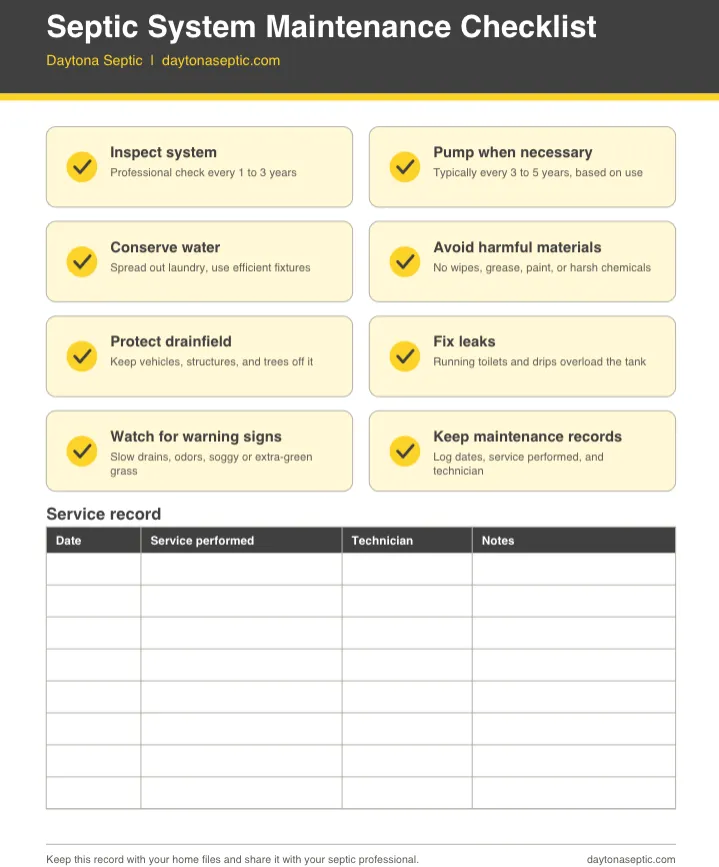
Septic Maintenance Checklist

Frequently Asked Questions About Septic System Upkeep

Q: How do I maintain a septic system?

A: Maintain a septic system by having it professionally inspected, pumping the tank when necessary, conserving household water, avoiding harmful and non-degradable materials, protecting the drainfield, fixing leaks, and watching for signs of septic problems.

A: Septic system upkeep includes routine actions that help keep a septic system functioning properly, including inspections, pumping, responsible water use, proper waste disposal, drainfield protection, and monitoring for warning signs.

A: A conventional household septic tank is often pumped every 3 to 5 years, but the appropriate interval varies according to tank size, household size, wastewater volume, system type, and the amount of solids accumulating in the tank.

A: Avoid flushing wipes, paper towels, dental floss, feminine hygiene products, diapers, cotton swabs, and other non-degradable materials. Toilets should generally be used for human waste and toilet paper.

A: Yes. Excessive water use can place additional hydraulic stress on a septic system and drainfield. Fixing leaks, using water-efficient fixtures, and spreading out high-water activities can help reduce unnecessary wastewater loading.

A: No. Septifix should not be considered a replacement for professional septic inspections, pumping, repairs, or proper septic system maintenance.

A: Warning signs can include slow drains, gurgling plumbing, sewage odors, standing water near the tank or drainfield, unusually wet areas, and sewage backups. These issues should be evaluated by a qualified septic professional.

A: The basic principles are similar, but homeowners should follow the requirements and recommendations applicable to their specific septic system and location. Local requirements can vary.